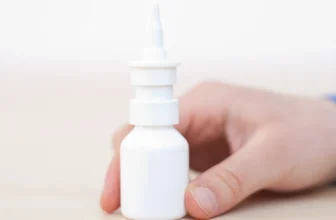
Allergies can be a real nuisance, making it hard to enjoy daily activities. If you’re struggling with symptoms like sneezing, a runny nose, or itchy eyes, antihistamine nasal sprays might be the solution you need. These sprays offer quick relief and are easy to use, but not all options are created equal. Let’s explore some of the best choices available and how to make the most of them.
Understanding Antihistamine Nasal Sprays
When allergy symptoms strike, understanding antihistamine nasal sprays can be your first step toward relief. These sprays work by blocking histamine, a chemical your body releases during an allergic reaction.
You’ll find that they help reduce symptoms like sneezing, runny nose, and itchy eyes. Unlike oral antihistamines, nasal sprays target the nasal passages directly, often providing quicker relief.
It’s important to note that these sprays may take a few minutes to kick in, so don’t expect instant results.
You should also be aware of potential side effects, such as drowsiness or dry nasal passages.
Always follow the instructions carefully, and consult with your doctor if you’re unsure about the right product for your needs.
Top Antihistamine Nasal Sprays on the Market
If you’re considering antihistamine nasal sprays for allergy relief, it’s helpful to know which options stand out in the market. One of the top choices is Azelastine, known for its fast-acting relief from sneezing and runny nose.
Another solid option is Olopatadine, which offers effective symptom control with a gentle formula. Both sprays are well-tolerated and can provide long-lasting relief.
For those who prefer a more natural approach, look into steroid-free options like Dymista, combining an antihistamine with a nasal corticosteroid for added effectiveness.
Finally, consider the affordability and availability of these products at your local pharmacy. Always consult with your healthcare provider to find the best fit for your specific allergy symptoms.
How to Use Antihistamine Nasal Sprays Effectively
To get the most out of antihistamine nasal sprays, start by shaking the bottle gently to mix the solution.
Next, blow your nose to clear any mucus, which helps the spray absorb better.
Hold the bottle upright and position the nozzle into one nostril while closing the other with a finger.
As you spray, inhale gently through your nose to ensure the medication reaches deep into your nasal passages.
Repeat this process for the other nostril.
Avoid sneezing or blowing your nose immediately after using the spray, as this can reduce its effectiveness.
Lastly, follow the recommended dosage on the label and try to use the spray consistently for optimal results in managing your allergy symptoms.
Potential Side Effects and Considerations
Although antihistamine nasal sprays can effectively relieve allergy symptoms, they may not be suitable for everyone due to potential side effects. You might experience drowsiness, dry mouth, or a bitter taste after using these sprays.
In some cases, nasal irritation or a burning sensation can occur. If you have pre-existing conditions like glaucoma or prostate issues, consult your doctor before use, as antihistamines can exacerbate these problems.
It’s essential to avoid combining these sprays with certain medications, as interactions can lead to increased side effects. Always read the label and follow the recommended dosage.
If you notice any unusual symptoms or severe reactions, stop using the spray and seek medical advice immediately to ensure your safety and well-being.
Frequently Asked Questions
Can Antihistamine Nasal Sprays Be Used With Other Allergy Medications?
Yes, you can use antihistamine nasal sprays with other allergy medications. Just make sure to consult your doctor or pharmacist first to avoid potential interactions and ensure you’re getting the best relief possible for your symptoms.
How Long Does It Take for Antihistamine Nasal Sprays to Work?
Antihistamine nasal sprays typically start working within 15 to 30 minutes. You’ll likely notice relief from allergy symptoms quickly, but it may take a few hours to reach full effectiveness. Stay patient for optimal results!
Are There Age Restrictions for Using Antihistamine Nasal Sprays?
Yes, there are age restrictions for using antihistamine nasal sprays. Most are approved for adults and children over a certain age, usually six years. Always check labels and consult your doctor for guidance specific to your situation.
Can Pregnant or Breastfeeding Women Use Antihistamine Nasal Sprays?
Yes, pregnant or breastfeeding women can use antihistamine nasal sprays, but it’s crucial you consult your doctor first. They’ll help determine the safest options for you and your baby, ensuring effective allergy relief.
How Should Antihistamine Nasal Sprays Be Stored?
You should store antihistamine nasal sprays at room temperature, away from direct sunlight and moisture. Keep them in a cool, dry place, and always check expiration dates to ensure they’re safe and effective for use.
Conclusion
In conclusion, antihistamine nasal sprays like Azelastine, Olopatadine, and Dymista can offer quick relief from allergy symptoms. By understanding how to use these sprays effectively and being aware of potential side effects, you can make the most of your allergy management. Always remember to follow dosage instructions and consult your healthcare professional if you have any concerns. With the right approach, you can breathe easier and enjoy life without the constant discomfort of allergies.